

Flightpath July 12, 2024
KPOV
The DTC Dilemma: Luxury’s Focus on Direct Channels and the Impact on Wholesale
In the evolving landscape of luxury retail, direct-to-consumer (DTC) strategies have become increasingly dominant. Luxury brands are prioritizing their own stores and online platforms, aiming to control their brand narrative and customer experience more tightly and not relying as much on distribution and wholesale partners. The luxury brands’ ability to reach the customer directly is putting more pressure on luxury wholesalers—both online and in department and specialty stores.
Why Luxury Brands Are Embracing DTC Strategies
Brand Control and Customer Experience: DTC allows luxury brands to maintain stringent control over their image, pricing, and the customer journey. This control is essential in a market where brand perception is everything.
Higher Profit Margins: By bypassing intermediaries, brands can capture higher margins. Selling directly to consumers removes the need to share profits with wholesalers or retailers.
Valuable Customer Data: Direct sales provide access to critical customer data, which can be used to enhance personalized marketing efforts and deepen customer relationships.
Significant Growth in DTC Sales
The shift to DTC has been reflected in significant growth figures. Online sales in the luxury sector have surged from 12% to 30% since 2020, while sales through company-owned stores have increased from 39% to 50% (Bain) (McKinsey & Company). Mono-brand luxury stores are growing, and for the first time, retail has surpassed wholesale (Bain).
Despite the advantages, an exclusive focus on DTC poses several challenges (with Nike the most obvious poster child)
Reduced Market Reach: Wholesale channels provide access to a broader audience that luxury brands might miss out on by focusing solely on DTC. Traditional retailers and department stores have established customer bases and marketing capabilities.
Operational Complexities: Managing a robust DTC operation demands significant investments in logistics,technology, and customer service. This can strain resources and lead to operational inefficiencies.
Market Saturation and Competition: As more brands pivot to DTC, the market becomes saturated, increasing competition and making it harder for individual brands to stand out.
Case Studies: Lessons from the Field
Ralph Lauren: Ralph Lauren has successfully pivoted its business model, exemplifying a trend among luxury brands towards DTC channels. This strategic shift has allowed the company to maintain a strong market presence while reducing its reliance on wholesale partnerships. In FY’24, Ralph Lauren reported a 3% increase in revenue, reaching $6.6 billion, primarily driven by robust growth in DTC and international markets. The company's Q3’24 performance highlights the effectiveness of this strategy, with DTC sales growing 9% and online sales increasing 8%. This growth in DTC channels has been accompanied by a significant increase in AUR, which rose 9% in Q3, building on a 10% growth from the previous year.
These improvements demonstrate Ralph Lauren's success in elevating its brand and enhancing profitability through direct consumer engagement. As a result of this DTC-focused approach, Ralph Lauren has seen a decline in its wholesale business, particularly in North America, where wholesale revenue dropped 15% in Q3’24. The company's wholesale segment now represents only about 16% of its total business, a significant reduction from its previous 25% share.
Chanel: Known for its selective distribution, Chanel has gradually increased its DTC efforts. This approach has helped it maintain brand exclusivity but also pressured its wholesale partners.
Net-a-Porter, Matches Fashion, Farfetch, and Mytheresa: These online wholesalers of luxury items have faced significant challenges, with some shuttering or being acquired due to the continued contraction of luxury product distribution channels.
The Role of Resale and Second-Hand Markets
As luxury brands intensify their DTC focus, the resale market for luxury goods is also growing. Platforms like The RealReal and Vestiaire Collective are capitalizing on the demand for second-hand luxury items, further squeezing traditional wholesale channels.
This channel does provide an on-ramp to customers who can't afford full price luxury, but want it. And in some cases, as with Hermes, proves that buying luxury can even provide a decent return on investment.
The Wholesale Squeeze
Wholesale sellers of luxury products are being squeezed from both ends—by the growth of DTC channels and the burgeoning resale market. This dual pressure is causing significant challenges for third-party distributors and multi-brand retailers.
The Industry Consolidation
The luxury industry is experiencing significant consolidation, both at the department store level and among brands. The most recent news of a merger between Saks Fifth Avenue and Neiman Marcus, illustrates how this consolidation can lead to stronger, more resilient businesses, but it also reduces the number of distribution channels available to luxury brands.
In the end, as the luxury market continues to evolve, brands that remain flexible and adaptable, continuously evaluating and adjusting their distribution strategies, will be best positioned to thrive in this dynamic landscape.

FEATURED PARTNER
ROKT pays brands/retailers to advertise on the bottom of their ecommerce receipt. No integration fee, no SaaS, no contract minimum, no kidding! Rokt works with over 300 advertisers (retailers/brands get to edit) and pays out about $.22/transaction. See why companies such as Nordstrom, Gap, Inc, American Eagle, ThredUp and many more are using Rokt to add million$ to their EBITDA. In addition to monetizing the traffic to your site, you can also use Rokt to drive new customer acquisition by advertising your brand with other Rokt customers.
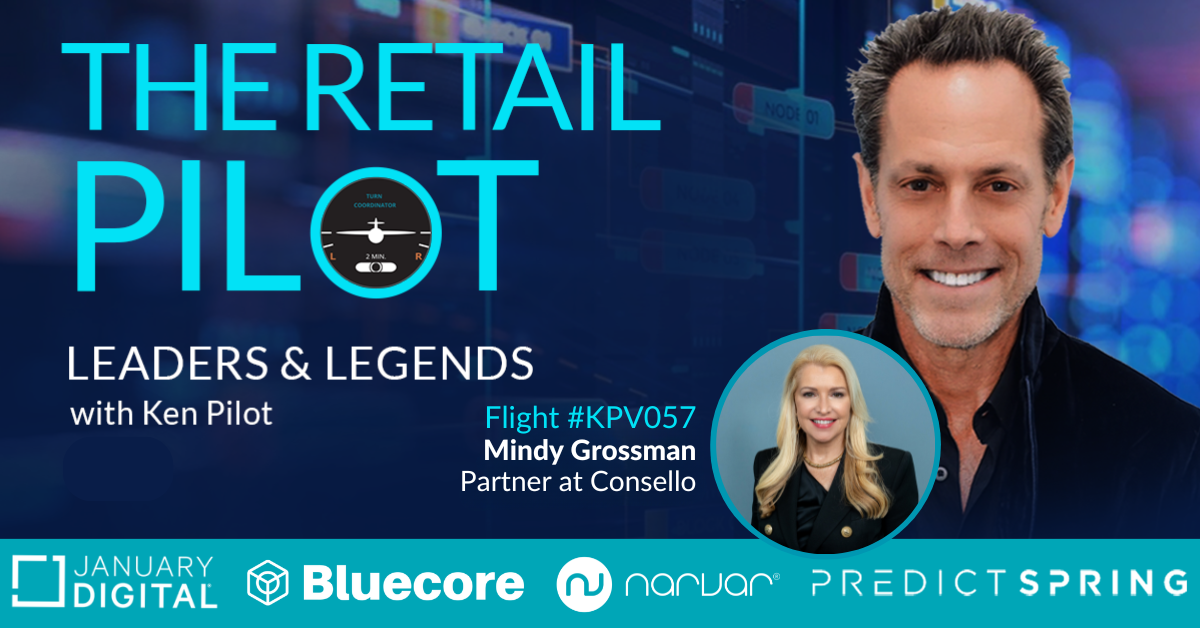
THE RETAIL PILOT PODCAST
Our latest flight of The Retail Pilot - Leaders & Legends features Mindy Grossman. Ken's first interview with Mindy was over a year ago, and we're thrilled to have her return. Mindy is the Vice Chair of The Consello Group, a comprehensive advisory and investment platform. In this episode you will discover: The unique approach of Consello Group in brand building, transformation, and technology; How Consello's investment and advisory services stand out in the industry; Insights into their financial services and strategic investments.